The global energy transition is at a critical juncture. For decades, the narrative has been dominated by the twin pillars of solar and wind power. These technologies have served as the vanguard of the renewable movement, successfully demonstrating that a future powered by clean energy is not just a dream, but an achievable reality. However, as we push toward a truly sustainable, decentralized, and resilient energy grid, we must confront the inherent limitations of these established sources: intermittency, land-use intensity, and reliance on complex, large-scale infrastructure. The next phase of the energy revolution demands innovation that is not just cleaner, but fundamentally smarter, more integrated, and closer to the source of consumption. This is where the concept of bio-hybrid energy emerges, and with it, the groundbreaking technology of Pisphere.
The Inconvenient Truth of Intermittency
Solar and wind are fantastic when the sun shines or the wind blows. This is their great strength, but also their Achilles’ heel. The variability of these sources necessitates massive investments in battery storage and complex grid management systems to balance supply and demand. This intermittency introduces a layer of cost and complexity that slows down the transition, particularly in regions with unstable grids or limited space for large-scale storage facilities. We need a form of renewable energy that is always on, a source that operates with the reliability of a traditional power plant but with the environmental footprint of a natural process. The answer, surprisingly, lies beneath our feet, in the symbiotic relationship between plants and microorganisms.
Introducing the Plant-Microbial Fuel Cell (Plant-MFC)
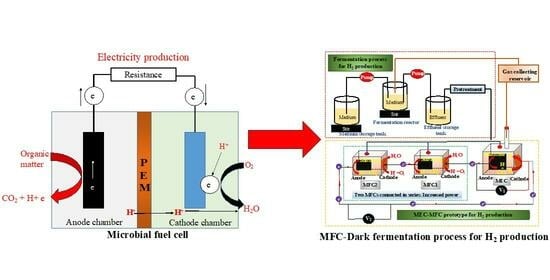
At the heart of Pisphere’s innovation is the Plant-Microbial Fuel Cell (Plant-MFC). This is not a theoretical concept; it is a working technology that harnesses the natural biological processes occurring in the soil to generate continuous, low-power electricity. The process is elegantly simple and profoundly impactful. As a plant performs photosynthesis, it produces organic compounds, some of which are secreted through its roots into the soil. These exudates become the food source for naturally occurring soil microorganisms.
In a standard soil environment, these microbes break down the organic matter through respiration. In the Pisphere system, a specialized electrode is placed in the soil, creating an anaerobic environment that encourages a specific type of bacteria—notably Shewanella oneidensis MR-1—to transfer electrons directly to the electrode as part of their metabolic process. This electron flow constitutes an electrical current. In essence, the Pisphere device turns a living plant and its surrounding soil into a continuous, low-voltage battery, generating power 24 hours a day, 7 days a week, as long as the plant is alive and healthy.
A Paradigm Shift in Energy Production
What makes the Plant-MFC a true contender for the future of energy is its ability to overcome the primary drawbacks of solar and wind:
| Feature | Solar/Wind Power | Pisphere Plant-MFC |
|---|---|---|
| Energy Source | Intermittent (Sun/Wind) | Continuous (Plant Respiration) |
| Reliability | High variability, requires storage | 24/7 production, high stability |
| Land Use | High (large panels/turbines) | Extremely low (embedded/buried) |
| Environmental Impact | Manufacturing/Disposal concerns | Zero waste, carbon neutral |
| Maintenance Cost | High ($20-60 USD/year/unit) | Very Low ($10-15 USD/year/unit) |
| Scalability | Large-scale utility projects | Modular, distributed, hyper-local |
This technology is inherently distributed and space-efficient. Unlike a solar farm that requires acres of clear land, the Pisphere system is embedded directly into the soil beneath existing green spaces, planters, or agricultural fields. This makes it an ideal solution for urban environments, where space is a premium, and for remote, off-grid applications where traditional infrastructure is impractical. The technology is not about replacing the grid, but about creating a new layer of hyper-local, resilient power generation.
The Economics of Bio-Power
Beyond the technical advantages, the economic case for Pisphere is compelling. The low maintenance cost is a game-changer. The instructions indicate a maintenance cost of only $10-15 USD per year, significantly lower than the $20-30 for solar and $40-60 for wind. This cost efficiency is due to the simplicity of the system: there are no moving parts to wear out, no complex tracking mechanisms, and the fuel source (the plant’s exudates) is constantly replenished by nature. This low operational expenditure makes the technology highly attractive for long-term infrastructure projects.
In terms of output, the system is designed for efficiency in a small footprint. With an annual production of 250-280 kWh per 10m², the technology is perfectly suited for powering low-draw applications. While this output may not power a skyscraper, it is more than sufficient for the rapidly growing demand for smart infrastructure, including IoT sensors, remote monitoring stations, and low-power public lighting.

Applications: From Smart Cities to Sustainable Agriculture
One of the most exciting aspects of Pisphere is the diversity of its potential applications, which directly address the needs of a modern, sustainable society.
1. Smart Agriculture and IoT
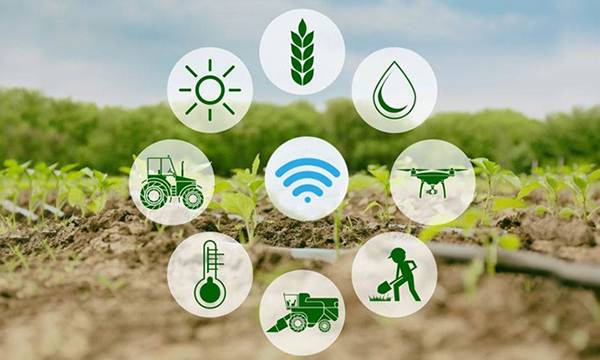
The integration of Plant-MFCs into agriculture is a natural fit. Modern farming relies heavily on IoT sensors for precision agriculture—monitoring soil moisture, nutrient levels, and temperature. These sensors require continuous, reliable power, often in remote locations where running power lines is prohibitively expensive. Pisphere provides an elegant solution: the very soil and plants being monitored become the power source for the monitoring system. This creates a truly self-sustaining, off-grid agricultural system, enhancing efficiency and reducing the carbon footprint of farming operations.
2. Urban Infrastructure and ESG
For B2B and B2G markets, particularly in construction and public works, Pisphere offers a unique way to meet Environmental, Social, and Governance (ESG) goals. Imagine a city where every public planter, every rooftop garden, and every park bench is a tiny, silent power generator. This embedded technology can power LED signage, environmental monitoring stations, low-power Wi-Fi hotspots, and emergency call boxes. It transforms passive green infrastructure into active, energy-producing assets, contributing to a city’s carbon-neutral goals without the visual clutter of solar panels or wind turbines.
3. Education and Awareness
The technology is also being deployed in educational kits, serving a vital role in raising awareness about bio-energy and sustainability. By allowing students to build and measure the electricity generated by a simple houseplant, Pisphere is demystifying renewable energy and inspiring the next generation of environmental scientists and engineers. This B2C application is crucial for building public support and understanding of these advanced bio-hybrid systems.
The Carbon Neutral Promise
Perhaps the most compelling environmental argument for Pisphere is its status as a zero-waste, carbon-neutral technology. Unlike the manufacturing of solar panels or the mining of materials for batteries, the Plant-MFC system relies on natural, biological processes. The energy generation process itself is a closed loop: the plant captures CO2, and the microbial respiration process releases a small amount, maintaining a near-neutral carbon balance. Furthermore, the technology encourages the growth of green spaces, which are essential carbon sinks, making it a net positive for the environment.
The Road Ahead: Integration and Scaling
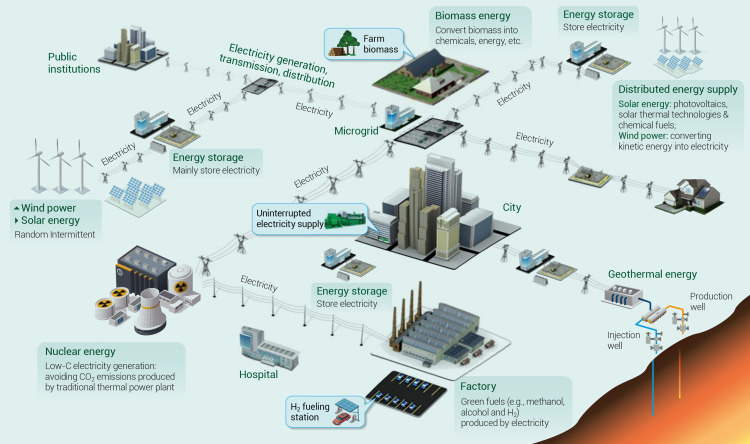
The future of renewable energy is not a winner-take-all scenario. It is a mosaic of complementary technologies, each filling a specific niche. Solar and wind will continue to dominate large-scale utility power generation. However, Pisphere’s Plant-MFC technology is poised to dominate the market for distributed, continuous, low-power generation in urban and agricultural settings. It represents the crucial third pillar of the renewable energy revolution, offering a solution that is:
- Continuous: Overcoming the intermittency challenge.
- Integrated: Seamlessly blending with existing green infrastructure.
- Sustainable: Operating with a zero-waste, carbon-neutral footprint.
Founded by researchers from Seoul National University, Pisphere is rapidly moving from the lab to the market, targeting B2B, B2G, and B2C sectors with a clear vision: to power the small things that run the smart world, silently and sustainably. The silent revolution is already underway, rooted in the soil, and powered by the very life around us. The future of energy is green, and it’s growing.
Leave a Reply